
Robotics has ceased to be a technology reserved for laboratories and factories and has become a tool with increasingly relevant applications in public safety. In recent years, various governments, civil protection agencies, and rescue teams have begun evaluating the use of robots capable of moving through hazardous environments, collecting real-time information, and supporting rescuers during high-risk situations.
Among the companies leading this technological evolution is Boston Dynamics, a U.S.-based company recognized for developing robots with advanced mobility that enables them to move across complex terrain. Its robotic platforms have attracted the interest of organizations around the world because of their potential to improve emergency response, reduce the exposure of human teams to dangerous situations, and increase the efficiency of search and rescue operations.
The growing interest in these technologies has also reached Latin America and the Caribbean. Various public institutions have begun exploring how robotics can be integrated into emergency response systems, especially in countries exposed to hurricanes, earthquakes, floods, and other natural disasters that require rapid and coordinated responses.
Spot, the Quadruped Robot That Has Attracted International Interest
One of Boston Dynamics' best-known developments is Spot, a quadruped robot designed to move across terrain where conventional vehicles encounter difficulties. This robot features an advanced structure that allows it to walk on uneven surfaces, climb stairs, overcome small obstacles, and maintain its balance even when subjected to external disturbances while moving.
Spot incorporates high-resolution cameras distributed around its body, depth sensors, and intelligent systems that enable the robot to generate three-dimensional models of its surroundings. Thanks to these capabilities, the robot can carry out detailed inspections without requiring a person to immediately enter a potentially hazardous area, reducing the exposure of human teams to possible risks.
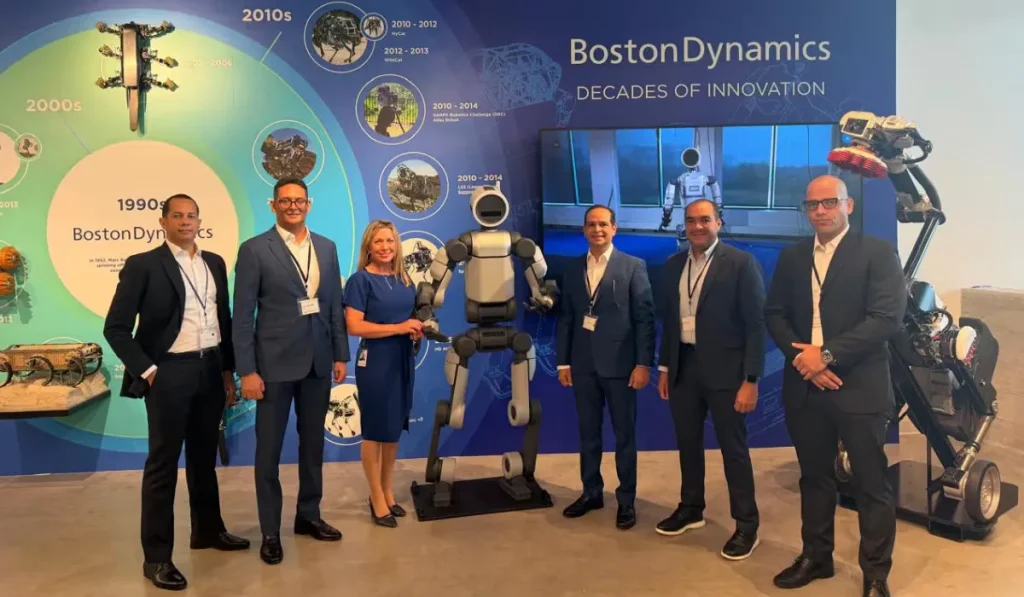
The robot can also be equipped with different types of additional sensors depending on the assigned mission. These accessories include thermal cameras, environmental sensors, and specialized devices that allow the robot to detect certain conditions present in industrial facilities or areas affected by emergencies. In this way, Spot becomes a robot adaptable to different scenarios where information gathering is essential.
How Do Robots Help During an Emergency?
In a natural disaster or an industrial accident, one of the main challenges is obtaining reliable information during the first minutes. In these scenarios, robots can play an important role, as they make it possible to access places where the presence of unstable structures, fires, hazardous materials, or flooded areas may make the immediate entry of rescue teams difficult.
In this context, a robot can enter first to assess the conditions of the site before specialists intervene directly. The images, measurements, and data collected by the robot allow those responsible for the operation to identify safe routes, detect obstacles, and plan the intervention more efficiently.
The speed with which a robot can provide information improves decision-making during an emergency. Although robots do not replace the work of rescuers, these machines can become support tools capable of reducing risks, improving the organization of operations, and increasing the safety of human teams.
Applications of Robots in Search and Rescue
Search and rescue operations represent one of the fields where robotics offers the greatest possibilities for development. After an earthquake, for example, many buildings suffer structural damage that makes the immediate entry of specialized personnel difficult, making a robot an alternative for exploring dangerous areas.
A robot with advanced mobility can move through partially collapsed corridors, travel over debris, or inspect areas where there is a risk of additional collapses. In addition to recording images, this type of robot can generate digital maps that help rescue teams better understand the layout of affected spaces and establish operational priorities.
When these capabilities are combined with thermal cameras or specialized sensors, robots can help locate possible survivors or identify priority areas for continuing search efforts. The information provided by each robot complements the experience of rescuers and improves the accuracy of operations.
The Importance of Intelligent Sensors in Emergency Robots
A large part of the operational value of these robots comes from the quality of their sensors. High-definition cameras allow the robot to inspect damaged structures, while depth sensors help build three-dimensional representations of the environment and facilitate navigation through complex spaces.
In certain configurations, robots can incorporate thermal cameras to detect temperature differences or sensors designed to identify gases present in industrial environments. This information is especially useful when a robot must enter areas with risks of fires, chemical leaks, or hazardous atmospheres before sending human personnel.
The data collected by the robot can be transmitted in real time to control centers, where specialists analyze the situation before deciding on the next actions. This remote observation capability represents one of the main advantages of robots used in emergencies, as it makes it possible to obtain accurate information without unnecessarily putting response teams at risk.
Artificial Intelligence and Autonomous Navigation
Advances in artificial intelligence have significantly improved the ability of robots to move without constant intervention from an operator. Although many robotic systems continue to be supervised by people, modern robots can carry out previously defined routes, analyze their surroundings, and automatically avoid obstacles while moving.
Autonomous navigation also enables robots to perform repetitive inspections in large industrial facilities or critical infrastructure. In these cases, a robot can follow programmed routes while collecting images, measurements, and data that are later compared with previous records to detect changes, failures, or potential risks.
This combination of autonomy and human supervision makes it possible to take advantage of the strengths of both capabilities. The operator maintains strategic control of the mission, while the robot performs tasks that could be slower, more complex, or more dangerous for a person. In this way, robots become support tools that increase the efficiency of different operations.
The Dominican Republic and the Interest in Incorporating New Technologies
The Dominican Republic has shown interest in learning how new technologies could strengthen its emergency response capabilities. The National Emergency and Security Response System 911 has reported on technological evaluation activities related to robotic solutions developed by Boston Dynamics, including the analysis of the possibilities these robots offer in emergency situations.
These initiatives are part of an exploratory process aimed at studying the possible applications of this type of tool within response services. So far, the authorities have indicated that these are technological evaluations and demonstrations, without announcing a definitive operational incorporation of these robots into the emergency system.
The possibility of studying these solutions reflects a trend observed in different countries, where institutions seek to identify technologies capable of complementing the work of firefighters, medical personnel, rescue teams, and civil protection agencies. In this context, robots represent an alternative for expanding human capabilities during high-risk situations.
The Potential of Robots in the Face of Natural Disasters
Natural phenomena represent one of the greatest challenges for the response systems of any country. Hurricanes, earthquakes, floods, and landslides can destroy infrastructure, block access routes, and create extremely dangerous conditions for rescue teams during the first hours after a disaster.
In this context, ground robots offer an alternative for obtaining information before rescuers enter. A robot's ability to move through hard-to-reach areas makes it possible to identify structural damage, locate obstacles, and transmit images that help plan operations more accurately.
In Caribbean regions, where hurricanes are among the recurring risks, this type of robot could become a complementary resource for rapidly assessing the condition of roads, bridges, public buildings, and strategic facilities. Having early information provided by a robot facilitates the allocation of resources and can contribute to reducing response times.
Beyond Disasters: Applications of Robots in Critical Infrastructure
Although robots are often associated with earthquakes or fires, much of their current use is related to the inspection of industrial facilities. Companies in sectors such as energy, mining, manufacturing, and oil use robotic platforms to inspect facilities where human presence involves greater risks.
During these inspections, robots collect images, three-dimensional models, and data from different sensors. This information enables each robot to detect anomalies before they become major problems, contributing to preventive maintenance and operational safety.
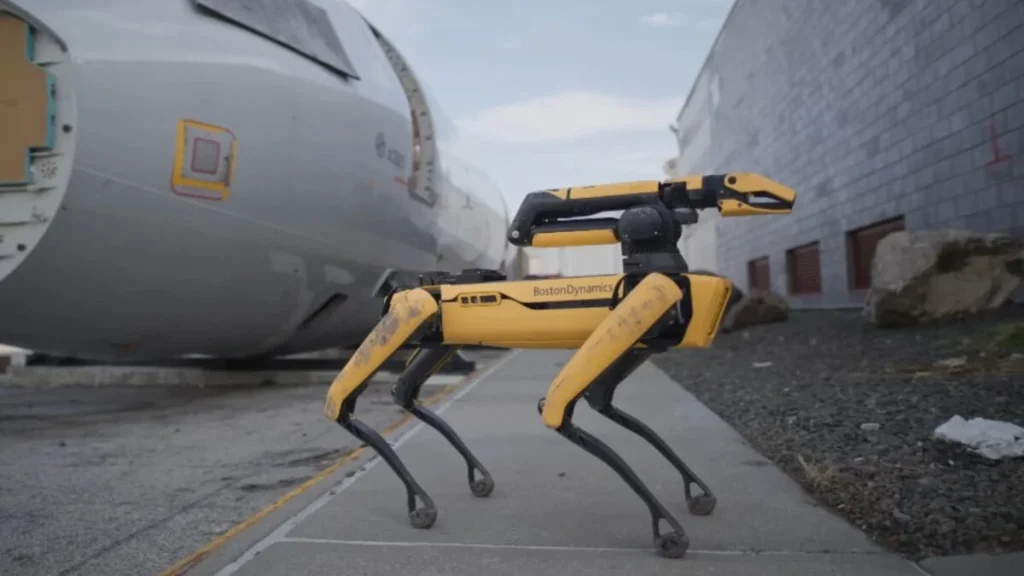
These same capabilities can be adapted to government buildings, hospitals, airports, water treatment plants, or logistics centers. In all of these cases, robots make it possible to automate inspections, optimize resources, and maintain continuous monitoring of critical infrastructure.
Collaboration Between Humans and Robots
One of the most important concepts in modern robotics is that robots are not intended to replace people. Instead, these machines are designed to work as support tools that allow human teams to focus on tasks that require judgment, experience, and decision-making.
While a robot inspects a potentially hazardous area, specialists analyze the information received and determine the most appropriate strategy for continuing the operation. This collaboration between people and robots reduces unnecessary exposure to risk and improves coordination among the different teams involved.
In emergency scenarios, every minute can make a significant difference. Having reliable information generated by a robot from the earliest stages of an intervention makes it possible to better organize available resources and prioritize the most urgent actions.
The Technological Challenges That Robots Still Need to Overcome
Despite the advances made over the past decade, robotics applied to emergencies still faces significant challenges. Battery autonomy continues to be a limitation for robots used in prolonged operations, especially in areas where there are no charging points or available electrical infrastructure.
Communications represent another critical aspect for the operation of these systems. After a disaster, telecommunications networks may experience disruptions, making the continuous transmission of data between the robot and the control centers responsible for supervising the mission more difficult.
In addition, extremely complex environments continue to test the capabilities of autonomous navigation. Unstable debris, water, mud, or partially collapsed structures can make it difficult even for the most advanced robots to move, so developers continue working to improve the durability, autonomy, and precision of these machines.
Artificial Intelligence to Interpret Large Volumes of Information
The incorporation of artificial intelligence not only improves the mobility of robots but also their ability to process the information they collect during a mission. Robots equipped with specialized algorithms can analyze images, identify objects, recognize changes in the environment, and point out potential risks for human operators.
In the future, these intelligent systems could enable robots to automatically detect structural cracks, emerging fires, or areas with a higher probability of collapse. This capability would allow a robot to process large amounts of data during an emergency and help specialized teams make decisions more quickly.
However, human supervision remains indispensable in any operation involving robots. Although a robot can collect information and detect patterns, critical decisions related to safety and rescue continue to depend on trained professionals who interpret the data provided by the technology.
International Experiences with Inspection Robots
Various organizations around the world have used robots to inspect industrial facilities, power plants, and disaster-affected areas. These experiences have demonstrated that a robot can access places where the immediate entry of people would be too dangerous because of structural, chemical, or environmental risks.
After industrial accidents or fires, robots have also been used to assess damage without compromising the safety of emergency teams. The ability of a robot to collect data before an intervention begins represents an important advantage for risk management and makes it possible to better plan subsequent actions.
Likewise, the continuous evolution of sensors, cameras, and navigation systems has expanded the number of possible applications for robots. Each new generation of these machines incorporates improvements that increase the robot's accuracy, autonomy, and ability to adapt to different scenarios.
Training Will Be as Important as Robot Technology
The incorporation of robots into response systems requires much more than the acquisition of specialized equipment. It is necessary to develop training programs for operators, maintenance technicians, and those responsible for coordinating the missions in which these robots participate.
It is also essential to establish clear protocols regarding when to use a robot and how to integrate the information generated by these systems into standard emergency response procedures. Robotic technology only produces good results when the use of the robot is part of a well-planned strategy.
Cooperation among engineers, firefighters, medical personnel, civil protection specialists, and public safety authorities will be key to making the most of the possibilities offered by modern robots. Working together will allow each robot to fulfill a specific role within a coordinated operation.
A Robot Market in Constant Growth
The development of mobile robots continues to accelerate thanks to the growing demand for solutions capable of automating dangerous or repetitive tasks. Technology companies, universities, and research centers are working on new generations of robots capable of operating with greater autonomy and adapting to increasingly complex environments.
The gradual reduction in the cost of certain components is also supporting the expansion of these technologies. More accurate sensors, specialized processors, and artificial intelligence make it possible to build robots with better performance than just a few years ago.
As these innovations become more established, it is likely that more public institutions will begin evaluating the incorporation of robots as part of their risk management and civil protection strategies. The growth of the sector could make these tools available to more emergency response teams in the future.
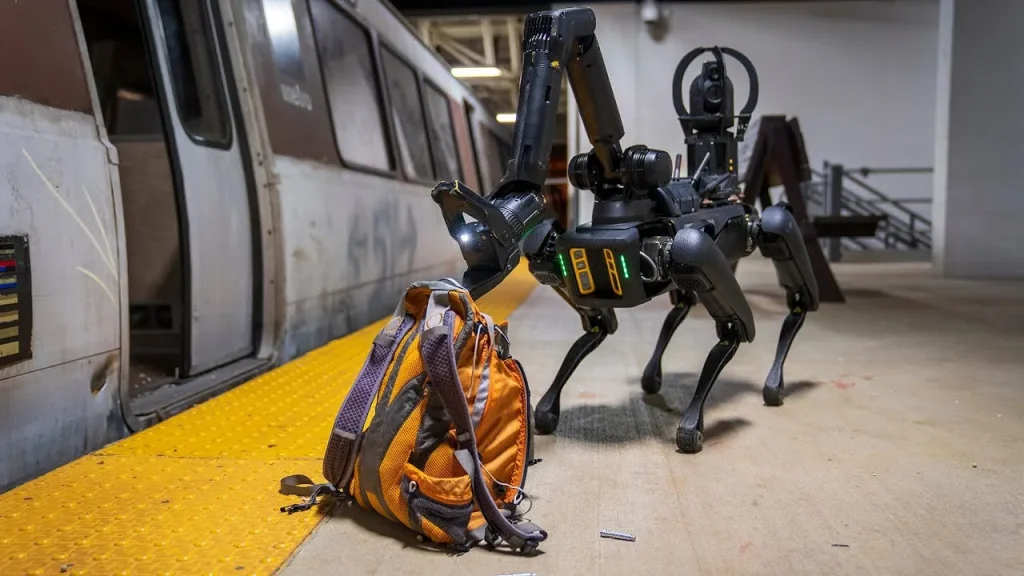
Robotics applied to emergencies represents one of the areas with the greatest potential within current technological development. Companies such as Boston Dynamics have demonstrated that it is possible to build robots with sufficient mobility to move through complex environments and provide valuable information before human teams intervene. These robots are emerging as support tools capable of improving safety, accelerating assessment processes, and optimizing response to critical situations.
The interest shown by institutions in different countries, including the National Emergency and Security Response System 911 of the Dominican Republic, reflects how robots are beginning to be considered as a technological complement for strengthening emergency response capabilities. At present, in the Dominican case, these initiatives correspond to technological evaluation processes and analyses of possible applications, with the objective of understanding how these robots could be integrated into future response and rescue systems.
Although challenges still exist regarding robot autonomy, communications, adaptation to extreme environments, and implementation costs, the continuous evolution of artificial intelligence and navigation systems makes it possible to anticipate sustained growth in these tools. The incorporation of new sensors and intelligent capabilities will enable robots to become increasingly precise, durable, and useful in operations where speed and safety are determining factors.
The use of robots could contribute to improving the safety of rescuers, optimizing decision-making, and increasing the efficiency of operations. A robot can act as an initial support system to analyze hazardous areas, collect information, and transmit essential data that help human teams respond more quickly and effectively.
The future of emergency response will likely combine the expertise of professionals with technologies capable of expanding their operational capabilities. In that scenario, robots will not be the main protagonists on their own, but rather part of a technological ecosystem aimed at protecting lives, reducing risks, and providing faster and more accurate responses to natural disasters, industrial accidents, and other highly complex situations.
For companies and organizations seeking to take advantage of the potential of new technologies, having a specialized partner in digital transformation, technological infrastructure, and IT solutions is essential. ITD Consulting offers technology consulting services to help organizations modernize their systems, improve their processes, and prepare for the challenges of the digital future. To learn more about its solutions, you can contact the company by writing to [email protected].

 EN
EN  ES
ES