
The year 2026 is shaping up to be a period of major challenges for the global economy, especially with regard to the stability of supply chains. Recent disruptive events, such as the COVID-19 pandemic, geopolitical tensions, and natural disasters, have put the resilience of supply chains worldwide to the test, revealing vulnerabilities that had not previously been considered.
Experts now warn that companies must be prepared for a new era of economic, social, and political uncertainty, in which global fluctuations will directly affect organizations’ ability to operate efficiently and safely.
In addition, factors such as climate change, with its unpredictable consequences for infrastructure and natural resources, and technological advances, which both promise progress and disrupt the competitive landscape, will continue to influence global trade. Geopolitical tensions, such as trade disputes between economic powers and regional conflicts, will add an even greater level of complexity, making it more difficult to foresee the conditions under which supply chains will have to operate.
In this context, companies are being forced to rethink and redefine their logistics and operational strategies in order to survive and thrive in such a volatile environment. Supply chains, once considered relatively predictable and stable systems, now require an urgent transformation to become more resilient, agile, and adaptable to new global dynamics.
Throughout this article, from ITD Consulting, we will explore how emerging technologies can be the key to anticipating and adapting to these unstable scenarios. We will analyze the most relevant trends that will shape the future of supply chains in 2026, from the use of artificial intelligence to advanced automation, and how companies can implement technological solutions to face future challenges.
The ability to anticipate problems, optimize processes, and strengthen resilience will undoubtedly be the factor that differentiates prepared organizations from those that fail to adapt.
Global Volatility: A New Era for Supply Chains
In recent years, global supply chains have experienced a high degree of volatility. Supply chains have been affected by factors such as the war in Ukraine, disruptions caused by the COVID-19 pandemic, and natural disasters, putting the resilience of companies around the world to the test. According to a McKinsey report, 75% of companies have had difficulties finding reliable suppliers, a problem that directly impacts the efficiency of their supply chains.
Looking ahead, uncertainty is expected to continue dominating the supply chain landscape. In 2026, geopolitical tensions, competition for limited resources, and the effects of climate change will generate even more challenges for global supply chains. Companies will need to be prepared to adapt to this constantly changing dynamic in their supply chains, strengthening their responsiveness and resilience.

The Impact of Climate Change on Supply Chains
Climate change is rapidly becoming one of the greatest threats to supply chains. Supply chains are affected by extreme weather events, such as hurricanes, droughts, and heat waves, which impact key infrastructure for the transportation and storage of products. According to a report by the World Trade Organization (WTO), climate disruptions could reduce global economic growth by 5% over the next 10 years, directly affecting the efficiency and stability of supply chains.
In addition, companies face increasing pressure for their supply chains to adopt more sustainable practices. Consumers and government regulations demand greater transparency in supply chain operations, especially with regard to carbon emissions. In this context, companies that manage to integrate technological solutions to reduce the environmental impact of their supply chains will be better prepared to face the challenges of 2026.
The Importance of Predictive Technology in Supply Chain Management
In an environment as volatile and dynamic as the one anticipated for 2026, companies cannot afford to wait for problems to occur. The ability to react quickly is important, but what will truly make the difference is the ability to anticipate challenges before they materialize.
The future of supply chains will depend on the adoption of technological solutions that allow companies to get ahead of problems, mitigating risks and optimizing resources with greater precision. Predictive technology, which integrates tools such as artificial intelligence (AI), big data, and advanced data analytics, is becoming an indispensable tool for organizations seeking to transform their supply chains into more agile and resilient systems.
These advanced technologies allow companies to analyze large volumes of data in real time, identifying patterns and trends that might otherwise go unnoticed. In this way, it is possible to foresee potential disruptions in supply chains, such as transportation delays, material shortages, or unexpected changes in demand.
For example, predictive analytics platforms can help companies identify potential supplier risks before a delay or production disruption occurs, giving them time to take proactive measures, such as adjusting orders or seeking alternative suppliers, thereby minimizing the impact on their supply chains.
Artificial intelligence, for its part, not only predicts events but also optimizes management in real time. AI-based solutions are key to improving visibility throughout supply chains. Through continuous monitoring and live data analysis, companies can gain a clearer and more accurate view of what is happening at each stage of the logistics process, from manufacturing to final product delivery.
This ability to obtain detailed, real-time information enables greater transparency, helping to detect potential bottlenecks, failures, or operational mismatches. At the same time, it provides the tools needed to make more informed and strategic decisions, reducing response times to any setback that may affect the supply chain.
The result of implementing these predictive technologies in supply chains is not only process optimization, but also a greater capacity to adapt to an increasingly unpredictable and competitive global market. Companies that succeed in integrating these technological solutions into their operations will be better prepared to manage risks, adapt to sudden changes, and ultimately improve the efficiency and sustainability of their supply chains.
Digitalization and Automation: The Future of Logistics
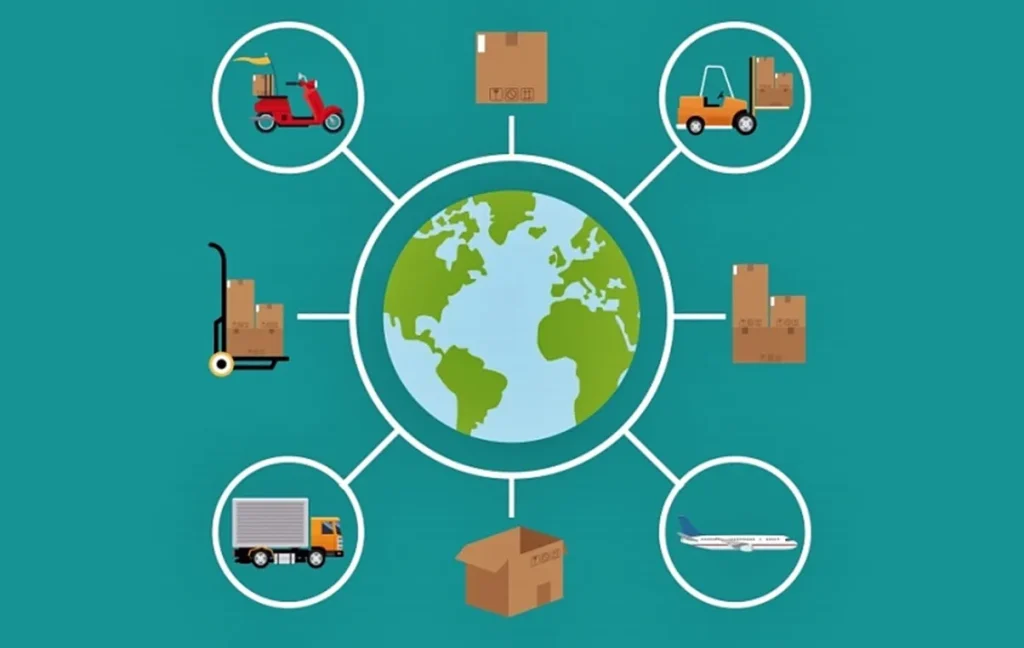
Digitalization and automation are key trends that will shape the evolution of supply chains in 2026. Companies around the world are investing in technologies that enable the automation of repetitive processes, the improvement of operational efficiency, and cost reduction across their supply chains.
The use of robots in warehouses, AI-based inventory management systems, and autonomous vehicles for product delivery are just a few examples of how automation is transforming supply chains. These technologies not only increase the speed of operations, but also improve accuracy and reduce the risk of human errors, which can be very costly in a high-demand supply chain environment.
In addition, digitalization allows for smoother integration among the different actors in the supply chain. Cloud-based supply chain management platforms enable real-time collaboration among suppliers, distributors, and carriers, improving coordination and the overall efficiency of supply chains.
Supply Chain Resilience: Adapting to Uncertainty
Resilience is becoming a critical factor for companies seeking to protect their operations from unexpected disruptions. In this regard, supplier diversification strategies are gaining ground as a key response. Instead of relying on a single supplier or a single region, companies are choosing to diversify their supply chains to reduce the risk associated with potential geopolitical crises or natural disasters, which can severely affect the continuity of their supply chains.
The creation of strategic inventories and the adoption of models such as “supply chain as a service” are also contributing to increasing companies’ flexibility and responsiveness in the face of volatility. This model allows organizations to outsource part of their logistics management, giving them the ability to adapt quickly to changes in demand or market conditions, without compromising their supply chains.
In addition, sustainability and corporate social responsibility (CSR) are driving a transformation in the way companies manage their supply chains. Increasingly, organizations are incorporating ethical principles into their purchasing decisions, prioritizing suppliers that operate responsibly and comply with environmental and labor standards. This approach not only benefits the supply chain in terms of reputation and compliance, but also helps make it more sustainable and resilient to future challenges.
The Role of Artificial Intelligence and Blockchain in Supply Chain Management
The integration of emerging technologies such as artificial intelligence (AI) and blockchain is transforming the way companies manage their supply chains. Blockchain, for example, offers a secure and transparent solution to track the origin and journey of products within supply chains. This technology enables full traceability of goods, which not only increases consumer trust but also facilitates compliance with government and environmental regulations, which is essential for the sustainability of global supply chains.
On the other hand, artificial intelligence is being used to optimize real-time decision-making, significantly improving supply chain efficiency. AI algorithms can forecast product demand with remarkable accuracy, allowing companies to adjust their operations and avoid both excess and shortages of inventory in their supply chains. This ability to anticipate will be crucial in 2026, as demand fluctuations become more unpredictable due to global economic instability, putting the agility of supply chains to the test.
The Role of Innovation in the Global Supply Chain
Innovation will be one of the key drivers for the adaptation of supply chains in the coming years. Companies that manage to implement new technological solutions, such as the use of drones for deliveries or the development of autonomous electric vehicles for transportation within their supply chains, will be better positioned to remain competitive in an increasingly globalized and fast-paced market.
Future supply chains will also be driven by alliances between technology companies and logistics product manufacturers. These collaborations will foster the creation of new business models, enabling organizations to improve operational efficiency and reduce costs throughout their supply chains. For example, the integration of advanced technologies in the transportation and storage of goods will reduce waiting times and optimize resource use at every stage of the supply chain, from production to final delivery.
Likewise, investments in research and development (R&D) in the field of sustainability are leading to the creation of greener and more cost-effective alternatives for logistics operations, transforming supply chains into more resilient and responsible systems. Companies that succeed in integrating clean technologies and sustainable processes into their supply chains will be better prepared to face increasing regulatory demands and consumer expectations, which are increasingly focused on sustainability.
In addition, technological innovation in supply chains will facilitate the creation of more agile and adaptable logistics systems, capable of responding quickly to changes in demand or unforeseen challenges. The flexibility of innovative supply chains will allow them not only to reduce costs, but also to offer more efficient and higher-quality customer service, resulting in a significant competitive advantage for companies that know how to leverage these technologies.

The year 2026 promises to be a year of major challenges for supply chains, but also an opportunity for companies to adapt to a more dynamic and changing environment. Global supply chains will be influenced by emerging technologies such as artificial intelligence, blockchain, and automation, which will play a crucial role in companies’ ability to anticipate problems and improve efficiency within their supply chains.
Resilience, sustainability, and innovation will be the keys to overcoming the economic, climatic, and geopolitical uncertainty that will affect supply chains in 2026. Organizations that manage to integrate these trends into their logistics strategies will be better positioned to thrive in an increasingly interconnected and competitive global market. In fact, the most resilient, sustainable, and innovative supply chains will be the ones that lead the future of global trade.
Companies that know how to use technology effectively to anticipate and adapt to the unstable scenarios of 2026 will not only be prepared for future challenges, but will also be able to lead the transformation of the logistics sector toward a more efficient, sustainable, and adaptable model. Supply chains that integrate these technological solutions will be better equipped to navigate a world full of uncertainty.
If your company needs support to strengthen its supply chains and take advantage of emerging technologies, do not hesitate to contact the experts at ITD Consulting. Write to us at [email protected]and find out how we can help you transform your logistics strategy and adapt to the challenges of 2026.

 EN
EN  ES
ES