
During recent years, the European Union has profoundly transformed the way it addresses threats against the security of the bloc. If in the past economic sanctions were applied mainly as a response to armed conflicts, violations of international law, or diplomatic crises, today they are also part of the strategy to combat risks that emerge in the digital environment.
The growing sophistication of cyberattacks, the rise of criminal organizations specialized in cybercrime, and the impact that these activities have on the economy and essential services have led Brussels to expand the scope of its restrictive measures. In this context, the recent decision to sanction Russian citizens and various entities linked both to human rights violations and to activities related to cybercrime takes place.
Although the war in Ukraine continues to be the main factor shaping relations between the European Union and Russia, community institutions consider that hybrid threats represent an equally important challenge. Cyberattacks, digital espionage campaigns, the spread of malicious software, and operations directed against critical infrastructures have come to occupy a prominent place within the European security agenda.
As a consequence, the sanctions policy is no longer limited solely to responding to military actions or government decisions, but also seeks to hinder the activity of individuals and organizations that participate in operations capable of affecting the economic, political, and technological stability of the continent. The decision adopted by the European Union highlights a change in approach that many specialists had anticipated for years.
The boundaries between organized crime, cyber espionage, and threats to national security are increasingly blurred. In many cases, the same group may develop ransomware-based extortion campaigns, sell stolen information in underground markets, and at the same time provide services or indirectly collaborate with actors interested in obtaining strategic advantages. This complexity explains why European authorities have begun using diplomatic and economic tools to complement the work traditionally carried out by police forces and courts.
Cybercrime stopped being an exclusively technological problem
Just two decades ago, most computer crimes related to cybercrime consisted of creating viruses intended to alter the operation of personal computers or attacks aimed at gaining notoriety within hacker communities. Those early forms of cybercrime, although they generated significant economic losses, were rarely considered a priority issue for international policy.
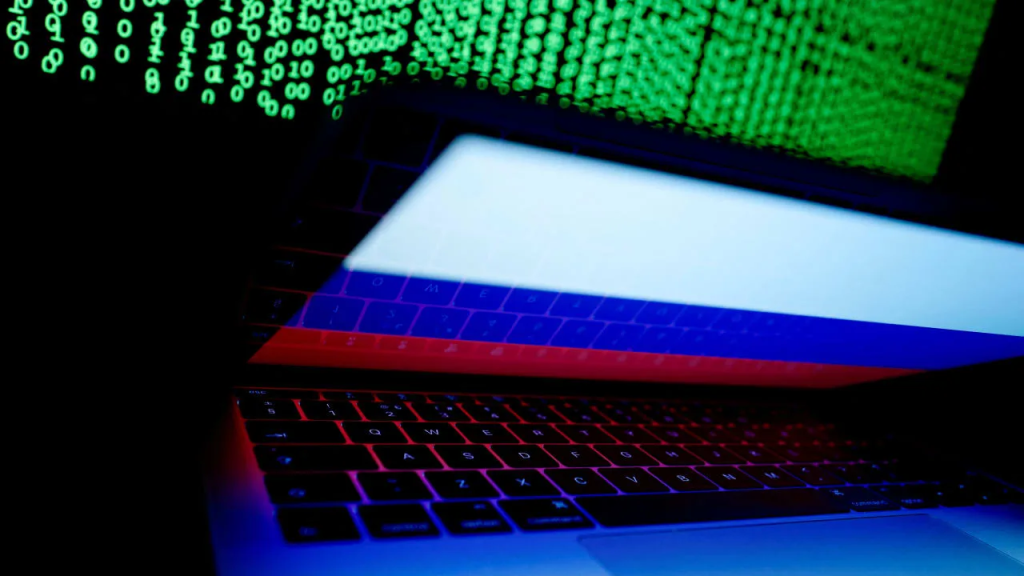
However, the rapid digitalization of the economy, the growth of electronic commerce, and the dependence on systems connected to the internet completely changed that scenario, turning cybercrime into an increasingly relevant global threat. Currently, practically all strategic sectors depend on the continuous operation of digital platforms, which has considerably expanded the scope of modern cybercrime. Hospitals, electricity networks, banks, airlines, ports, manufacturing industries, telecommunications operators, and public administrations use interconnected computer systems to manage critical processes. This means that a successful cybercrime attack can paralyze essential services, interrupt supply chains, or compromise highly sensitive information belonging to millions of people.
Consequently, the fight against cybercrime and protection against its consequences have ceased to be matters reserved for technical departments and have become national security priorities. Various international reports estimate that cybercrime generates economic losses of hundreds of billions of dollars every year, consolidating itself as one of the most lucrative criminal activities in the world.
To these figures are added the costs derived from cybercrime attacks, such as the interruption of activities, the recovery of affected systems, the strengthening of protection measures, and the reputational impact suffered by organizations that become victims of these operations. Many companies take months to fully recover their activity after a serious cybercrime incident, while some small and medium-sized companies never manage to completely recover due to the financial and operational impact caused by these digital attacks.
Why does the European Union resort to sanctions?
Investigations related to computer crimes linked to cybercrime often face significant obstacles. Those responsible for cybercrime activities may operate from different countries, use false identities, hide their location through virtual private networks, or employ servers distributed across several jurisdictions. Even when authorities manage to identify the alleged individuals responsible for these cybercrime operations, obtaining their extradition is extremely complicated if they reside in territories that do not maintain effective judicial cooperation agreements or where criminal investigations encounter political and legal difficulties.
Faced with this situation, the European Union has developed a specific sanctions regime aimed at responding to cyberattacks and cybercrime activities considered particularly serious. These measures do not replace judicial proceedings nor do they imply a criminal conviction, but they do allow economic and diplomatic pressure to be exerted on the individuals or entities identified as participating in cybercrime operations. The freezing of assets, the prohibition of travel to European Union territory, and restrictions on carrying out financial operations with European companies seek to limit their ability to act and increase the costs associated with this type of cybercrime-related activity.
The objective also has a preventive dimension against the growth of international cybercrime. By making access to the European financial system more difficult and restricting commercial relations, community institutions aim to reduce incentives for criminal organizations or individuals to continue developing cybercrime operations directed against European interests. Although sanctions alone do not eliminate the threat of cybercrime, they form part of a broader strategy that combines police cooperation, intelligence sharing, strengthening of cybersecurity, and international coordination.
Ransomware: The threat that changed the perception of cybercrime
If there is one phenomenon that has transformed the way governments and companies perceive cybercrime, it is ransomware. This type of attack consists of introducing malicious software into an organization’s computer systems with the objective of encrypting its files and blocking access to information. Subsequently, those responsible for cybercrime demand payment of a ransom, generally through cryptocurrencies, in exchange for providing a decryption key or committing not to disclose the stolen data.
Over time, these cybercrime operations became much more sophisticated. Many groups no longer limit themselves to blocking information, but first extract large amounts of confidential data. They then threaten to publish it if the victim refuses to pay, a strategy known as double extortion. In some cases, they even contact customers, suppliers, or business partners of the affected company to increase pressure, giving rise to triple extortion models used by organizations specialized in cybercrime to maximize the economic benefit of the attack.
The professionalization of these cybercrime organizations has also given rise to the so-called Ransomware-as-a-Service (RaaS). Under this model, developers of malicious software rent their tools to other criminals in exchange for a percentage of the ransoms obtained through cybercrime campaigns. This system has considerably reduced entry barriers for new criminal actors, since it is not necessary to possess extensive technical knowledge to launch digital extortion operations. As a result, the number of cybercrime-related attacks recorded worldwide increased significantly during recent years.
A highly organized criminal industry
The image of the solitary hacker operating from a personal computer is far removed from today’s reality. A large part of contemporary cybercrime is carried out by organizations that operate with structures similar to those of a company. There are teams specialized in developing malware used in cybercrime operations, experts exclusively dedicated to breaching security systems, negotiators responsible for communicating with victims, and individuals in charge of laundering profits obtained through complex financial operations.
In addition to ransomware campaigns, these cybercrime groups carry out very diverse activities. The massive theft of access credentials allows them to later infiltrate corporate networks or sell that information in underground forums used by other criminal organizations. Phishing campaigns continue to be one of the main methods used in cybercrime to deceive users and obtain passwords or banking data, while botnets —networks of infected devices remotely controlled— are used to launch distributed denial-of-service (DDoS) attacks, distribute malware, or send large quantities of fraudulent emails.
The underground market for stolen data has also become an extremely lucrative business within the cybercrime ecosystem. Databases containing millions of personal records, financial information, medical histories, or corporate documents can be sold to other criminal groups interested in committing fraud, carrying out espionage campaigns, or preparing new cybercrime attacks. This ecosystem demonstrates that cybercrime operates as a parallel economy where different organizations collaborate with each other, exchange tools, and share profits, which makes the work of authorities responsible for combating this digital threat extremely difficult.
The European framework against cyberattacks
The European Union began developing a specific policy against digital threats after realizing that computer attacks related to cybercrime could have consequences similar to those of other traditional forms of international aggression. The creation of a European sanctions regime against cyber activities represented a political recognition that certain cybercrime actions should not be treated solely as technological crimes, but rather as operations capable of affecting the security of States and the functioning of democratic societies.
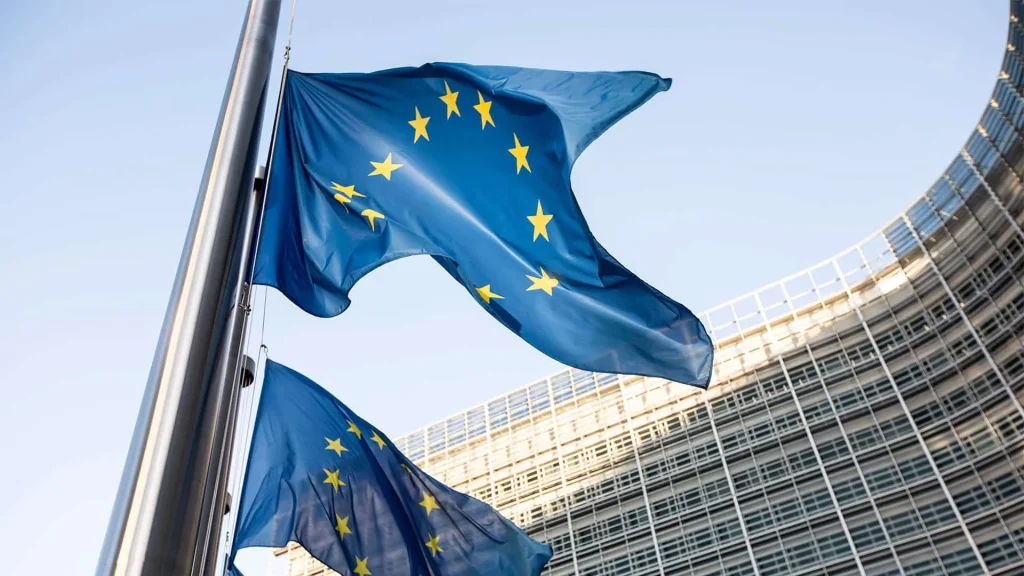
This mechanism allows action to be taken against individuals, organizations, or entities considered responsible for participating in serious computer attacks or for facilitating cybercrime operations harmful to European Union member countries and their international partners. The measures may be applied against those who develop malicious tools used in cybercrime activities, those who carry out digital attacks, or those who provide financial, technical, or logistical support to conduct them. In this way, Brussels seeks to target not only the visible author of a cybercrime operation, but also the criminal infrastructure that makes this type of activity possible.
However, sanctions do not replace police investigations or judicial proceedings against cybercrime. Identifying those responsible in the digital field continues to be a complex task that requires forensic analysis, international cooperation, and the collection of technical evidence. In many cases, cybercrime actors use multiple layers of anonymity, rented infrastructure, and concealment methods designed to make attribution more difficult. Therefore, the European response combines diplomatic, economic, and judicial tools to increase the possibilities of stopping these cybercrime activities.
The relationship between cybercrime and hybrid threats
One of the main reasons why the European Union has increased its attention toward cybercrime is the relationship between digital attacks and so-called hybrid threats. This concept describes strategies that combine different methods of pressure, such as disinformation campaigns, espionage, political manipulation, cyberattacks, and economic actions, with the objective of weakening an adversary’s ability to respond. Within this scenario, cybercrime has become a tool capable of complementing other forms of international pressure.
In this context, cyberattacks associated with cybercrime can be used for objectives that go beyond immediate economic benefit. A group may attempt to steal government information to obtain strategic advantages, access critical systems to demonstrate operational capability, or generate uncertainty within a society. For this reason, European governments consider that certain cybercrime operations form part of a broader scenario of geopolitical competition.
Russia occupies a central position in this debate due to the history of accusations made by Western governments against certain hacker groups allegedly linked, according to various investigations, to Russian interests. Some organizations have been identified for espionage activities, influence campaigns, or attacks against foreign institutions. At the same time, there are also numerous criminal groups dedicated to cybercrime that operate from Russian territory or nearby countries without necessarily having a proven direct relationship with the State.
This distinction is important because cybercrime is a complex phenomenon in which actors with different motivations coexist. Some groups seek exclusively financial benefits through digital extortion and ransomware attacks, while others may be connected to political or strategic objectives. The difficulty in determining these connections between criminal cybercrime and possible state interests is precisely one of the greatest challenges faced by international organizations responsible for responding to digital threats.
International cooperation: An essential tool
The fight against cybercrime requires a level of international cooperation much greater than that used to combat other crimes. The internet allows a cybercrime operation to be designed in one country, executed through servers located on several continents, and directed against victims located on the other side of the world. This global dimension makes national investigations insufficient when there is no collaboration between authorities responsible for combating cybercrime.
Within Europe, specialized organizations work to coordinate responses against these digital threats. Cooperation between police agencies, cybersecurity units, and judicial authorities allows the sharing of information about groups dedicated to cybercrime, the identification of behavioral patterns, and the development of joint operations. The European Union has also strengthened collaboration with allied countries to improve the ability to trace cybercrime-related activities and pursue those responsible who operate outside community borders.
One of the major challenges is the speed at which the techniques used by cybercrime actors evolve. While authorities develop protection and response mechanisms, criminal groups search for new vulnerabilities and infiltration methods to improve their operations. This dynamic requires constant updating of knowledge, tools, and defense strategies against cybercrime. Cybersecurity cannot be understood as a one-time task, but rather as a permanent process of adaptation to a threat that continuously changes.
Cooperation is also essential for protecting critical infrastructures against cybercrime attacks. An attack against an electricity network, a healthcare system, or transportation infrastructure can have consequences affecting thousands or millions of people. Therefore, European governments have promoted regulations aimed at improving the digital security of essential sectors and increasing the capacity for recovery after serious cybercrime-related incidents.
The economic impact of cybercrime and sanctions
Cybercrime has become one of the most profitable criminal activities in the world, consolidating itself as a global phenomenon with enormous economic impacts. The economic model of many cybercrime groups is based on the ability to obtain large profits with relatively limited investments. A successful cybercrime attack against a company can generate millions in revenue through ransoms, the sale of stolen information, or extortion of affected third parties.
However, authorities have considerably improved their financial tracking capabilities against cybercrime. Companies specialized in blockchain analysis and international police teams have managed to identify movements of funds linked to cybercrime activities and, in some cases, recover part of the money obtained through digital attacks. This demonstrates that although cryptocurrencies have been used by cybercriminals, they have also become a source of information for investigations against these networks.
European sanctions seek precisely to increase economic pressure on those who participate in cybercrime activities. A person included on a sanctions list may lose access to bank accounts, investments, and commercial relationships within the European market. In addition, public designation as an individual sanctioned for links to cybercrime may complicate future financial operations and limit the ability to collaborate with other international actors.

The new sanctions imposed by the European Union against Russian citizens linked to illicit digital activities reflect a profound change in the way the international community understands modern security. Cybercrime is no longer seen as a problem limited to computer experts or technical departments, but rather as a global threat capable of affecting entire economies, essential services, critical infrastructures, and the political stability of countries. The expansion of cybercrime demonstrates that digital risks can generate consequences comparable to those of other traditional threats against international security.
The growth of ransomware, digital espionage, and attacks against critical infrastructures demonstrates that modern conflicts have an increasingly important technological dimension. In this scenario, organizations dedicated to cybercrime and certain state actors may use digital tools to obtain economic benefits, collect strategic information, disrupt essential services, or exert pressure on other countries. The evolution of cybercrime confirms that protecting computer systems has become a fundamental element for the operational continuity of governments and companies.
The European response combines sanctions, judicial cooperation, intelligence sharing, and technological protection measures to address the expansion of international cybercrime. Although these actions do not completely eliminate the threat, they seek to increase the costs for those who participate in illegal activities and make it more difficult for them to operate internationally. The fight against cybercrime will therefore be one of the great security challenges of the 21st century, and the ability of countries and organizations to cooperate will largely determine their effectiveness against a problem that knows no borders.
Given this scenario, having a solid digital protection strategy is essential for companies of all sizes. ITD Consulting offers specialized technology, cybersecurity, and IT solutions services aimed at helping organizations prevent risks, strengthen their systems, and respond to new digital threats. To learn how to better protect your technological infrastructure against the current challenges of cybercrime, you can contact ITD Consulting through the email [email protected].

 EN
EN  ES
ES